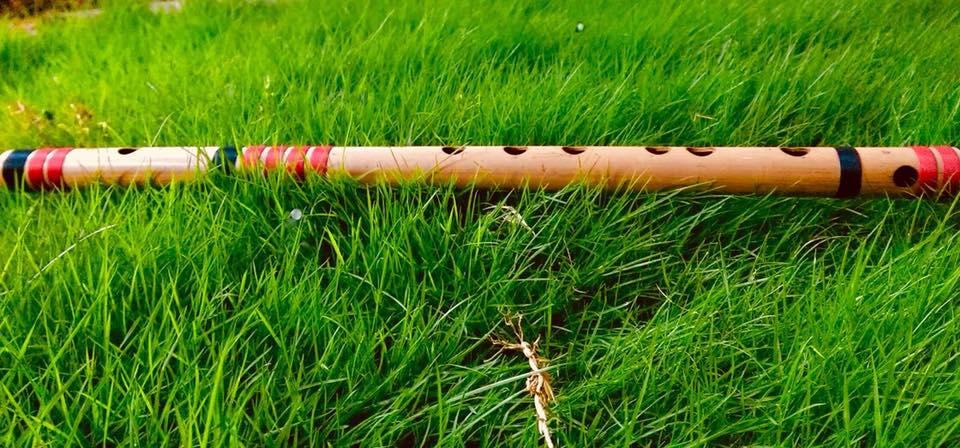
If you are learning the flute, harmonium, vocals, or any Indian classical instrument, you have probably heard the term Alankar. Alankars are one of the most important foundations of Indian classical music. They help you develop accurate pitch, finger control, rhythm, and confidence. Just as an athlete improves through daily practice, a musician becomes better by practicing Alankars regularly. Whether you are a beginner or an advanced student, Alankar practice should be a part of your daily Riyaz.
What is an Alankar
An Alankar is a structured pattern of musical notes (Sargam) practiced repeatedly in ascending and descending order. The purpose of Alankar is not simply to memorize notes, but to train your ears, fingers, voice, and mind to perform every note with precision and clarity. Regular practice improves your overall musical ability and prepares you for learning ragas and compositions
Why is Alankar Practice Important?
Practicing Alankars offers several benefits:
- Improves pitch accuracy (Sur).
- Develops finger speed and coordination.
- Strengthens rhythm (Laya) and timing.
- Makes learning ragas easier.
- Increases confidence while performing.
- Builds a strong foundation for advanced techniques like taans and improvisation.
- Enhances breath control for flute players and vocalists.
Alankar 1
Ascending (Aroh) सा रे ग म प ध नि सां Descending (Avroh) सां नि ध प म ग रे सा
Alankar 2
Ascending सा सा रे रे ग ग म म प प ध ध नि नि सां सां Descending सां सां नि नि ध ध प प म म ग ग रे रे सा सा
Alankar 3
Ascending सा रे, रे ग, ग म, म प, प ध, ध नि, नि सां Descending सां नि, नि ध, ध प, प म, म ग, ग रे, रे सा
Alankar 4
Ascending रे सा, ग रे, म ग, प म, ध प, नि ध, सां नि, रे सां Descending नि सां, ध नि, प ध, म प, ग म, रे ग, सा रे, नि सा
Alankar 5
Ascending सा रे ग, रे ग म, ग म प, म प ध, प ध नि, ध नि सां Descending सां नि ध, नि ध प, ध प म, प म ग, म ग रे, ग रे सा
How to Practice Alankars Effectively
To get the maximum benefit from your Riyaz:
- Start at a slow tempo and focus on accuracy.
- Ensure every note is played or sung clearly.
- Practice with a metronome or tabla to improve timing.
- Repeat each Alankar multiple times before increasing speed.
- Increase the tempo gradually while maintaining clarity.
- Practice daily for at least 20–30 minutes.
Consistency is much more important than speed.
Tips for Flute Students
If you are learning the bansuri, focus on producing a clean tone for every note. Maintain steady breath control and avoid lifting your fingers too high from the holes. Practice slowly until every note sounds clear and smooth before attempting faster speeds.
Common Mistakes Beginners Make
- Practicing too fast.
- Ignoring pitch accuracy.
- Skipping daily Riyaz.
- Playing uneven notes.
- Focusing on speed instead of clarity.
Avoiding these mistakes will help you progress much faster.
Conclusion
Alankars are the building blocks of Indian classical music. Every accomplished musician, regardless of experience, continues to practice Alankars regularly. They strengthen your musical foundation and make learning ragas, songs, and improvisation much easier. If you dedicate even 20 minutes every day to Alankar practice, you will notice significant improvement in your finger control, rhythm, breath control, and overall musical performance. Remember: A strong musical foundation begins with regular Alankar practice.
Stay Tuned to the Reed
Join thousands of students and enthusiasts. Receive monthly Raga tutorials, flute care wisdom, and exclusive course updates directly in your inbox.
No Spam · Only Wisdom · Unsubscribe anytime